Innovations in treating patients with an inherited risk for cancer with Dr. Brooke Phillips

This article was written by Dr. Brooke Phillips, Hematologist/Oncologist and Co-Director of Precision Medicine and Genomic Health at St. Elizabeth. Dr. Phillips sees patients in Edgewood, KY.

Q: What does a hematologist/oncologist do? When should people seek help from one?

A: A hematologist/oncologist takes care of patients with cancer and blood disorders. As a physician trained in hematology, medical oncology and genetics, I focus on patients with breast cancer and hereditary cancer syndromes. In this role, I recommend treatments for patients diagnosed with cancer, such as targeted treatment, chemotherapy or endocrine therapy. Some of my patients have not been diagnosed with cancer but have inherited a genetic mutation that increases the risk of developing cancer.

Q: What’s something surprising about your specialty that people might not know?

A: People assume that oncology is always depressing. With the advancements in cancer treatments, more and more patients are being cured of their cancer. In addition, there is a greater focus on preventing cancer before it starts.
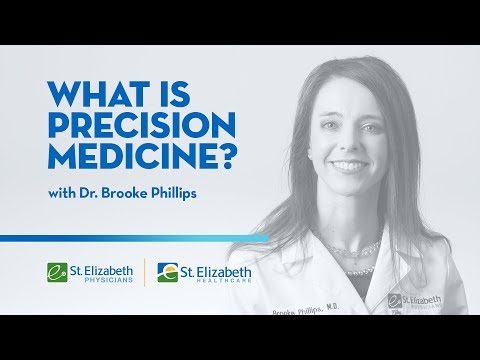
YouTube video
St. Elizabeth is pioneering innovative cancer prevention and treatment techniques using advances in genomic medicine. Video provided by St. Elizabeth Healthcare.

Q: What is St. Elizabeth doing in this field that is innovative, unique or leading edge that is helping patients?

A: At St. Elizabeth Healthcare, we have established a Prevention Clinic which focuses on patients that have a higher risk of developing cancer based on their family history or genetic testing. Through this program, we establish a screening program that is individualized to each patient. We then follow these patients and update these recommendations based on changes in guidelines or their family history. The goal is to prevent cancer or diagnose it at an early curable stage.

We are also offering pharmacogenetic testing to evaluate patients’ metabolism of drugs so that we can prevent complications from medications and make appropriate dose recommendations. We have integrated this within our medical record system such that providers will get alerts if a medication is not recommended based on a patient’s pharmacogenetics.

Q: What is currently on the horizon for hematology and oncology? What changes might we expect in the next few years?

A: As genetic testing becomes more widely available, costs have decreased and indications have expanded. We are offering hereditary genetic testing for more and more patients. It is now standard to offer tumor genomics, looking at the genetics of a patient’s cancer for many malignancies. This information is used to personalize a treatment plan.

In addition, there are several new screening tools that will have expanding indications. There are cell-free DNA tests that can identify cancer signals in the blood and, thus, alert patients about the possibility of cancer through just a simple blood test. These tests are currently not covered by insurance, but we will likely see expanded insurance coverage in the future.

YouTube video
Dr. Phillips says, “With the advancements in cancer treatments, more and more patients are being cured of their cancer. In addition, there is a greater focus on preventing cancer before it starts.” Video provided by St. Elizabeth Healthcare.

Q: From your perspective as a hematologist/oncologist, what should people be aware of to prevent disease or catch it early?

A: I would recommend working with your primary care physician to make sure you are up to date on cancer screening recommendations, such as breast, colon, lung, cervical and prostate cancer. Also, talk with your primary care physician about whether you qualify for genetic testing. The guidelines for genetic testing continue to expand as we discover more and more genes that are implicated in the development of cancer. For instance, if you have a family member with ovarian, pancreas, prostate and some breast cancers, you could qualify for genetic testing.

For more information or an appointment with our experts at the St. Elizabeth Cancer Center, visit stelizabeth.com/DNA.

Posted inSponsored

Sponsored: Innovations in treating patients with an inherited risk for cancer with Dr. Brooke Phillips

This article was written by Dr. Brooke Phillips, Hematologist/Oncologist and Co-Director of Precision Medicine and Genomic Health at St. Elizabeth. Dr. Phillips sees patients in Edgewood, KY.

Q: What does a hematologist/oncologist do? When should people seek help from one?

A: A hematologist/oncologist takes care of patients with cancer and blood disorders. As a physician trained in hematology, medical oncology and genetics, I focus on patients with breast cancer and hereditary cancer syndromes. In this role, I recommend treatments for patients diagnosed with cancer, such as targeted treatment, chemotherapy or endocrine therapy. Some of my patients have not been diagnosed with cancer but have inherited a genetic mutation that increases the risk of developing cancer.

Q: What’s something surprising about your specialty that people might not know?

A: People assume that oncology is always depressing. With the advancements in cancer treatments, more and more patients are being cured of their cancer. In addition, there is a greater focus on preventing cancer before it starts.

YouTube video
St. Elizabeth is pioneering innovative cancer prevention and treatment techniques using advances in genomic medicine. Video provided by St. Elizabeth Healthcare.

Q: What is St. Elizabeth doing in this field that is innovative, unique or leading edge that is helping patients?

A: At St. Elizabeth Healthcare, we have established a Prevention Clinic which focuses on patients that have a higher risk of developing cancer based on their family history or genetic testing. Through this program, we establish a screening program that is individualized to each patient. We then follow these patients and update these recommendations based on changes in guidelines or their family history. The goal is to prevent cancer or diagnose it at an early curable stage.

We are also offering pharmacogenetic testing to evaluate patients’ metabolism of drugs so that we can prevent complications from medications and make appropriate dose recommendations. We have integrated this within our medical record system such that providers will get alerts if a medication is not recommended based on a patient’s pharmacogenetics.

Q: What is currently on the horizon for hematology and oncology? What changes might we expect in the next few years?

A: As genetic testing becomes more widely available, costs have decreased and indications have expanded. We are offering hereditary genetic testing for more and more patients. It is now standard to offer tumor genomics, looking at the genetics of a patient’s cancer for many malignancies. This information is used to personalize a treatment plan.

In addition, there are several new screening tools that will have expanding indications. There are cell-free DNA tests that can identify cancer signals in the blood and, thus, alert patients about the possibility of cancer through just a simple blood test. These tests are currently not covered by insurance, but we will likely see expanded insurance coverage in the future.

YouTube video
Dr. Phillips says, “With the advancements in cancer treatments, more and more patients are being cured of their cancer. In addition, there is a greater focus on preventing cancer before it starts.” Video provided by St. Elizabeth Healthcare.

Q: From your perspective as a hematologist/oncologist, what should people be aware of to prevent disease or catch it early?

A: I would recommend working with your primary care physician to make sure you are up to date on cancer screening recommendations, such as breast, colon, lung, cervical and prostate cancer. Also, talk with your primary care physician about whether you qualify for genetic testing. The guidelines for genetic testing continue to expand as we discover more and more genes that are implicated in the development of cancer. For instance, if you have a family member with ovarian, pancreas, prostate and some breast cancers, you could qualify for genetic testing.

For more information or an appointment with our experts at the St. Elizabeth Cancer Center, visit stelizabeth.com/DNA.

Content created by LINK nky's advertising partners.

Sign up for newsletters

Get the best of LINK nky directly in your email inbox.

Sending to:

Gift this article
